
First impressions: 2026 on the Right Bank
Merlot picked in Saint-Émilion in the last week of August: a decade ago, the idea would have raised a smile. In 2026, it is simply what happened. This is being called the hottest vintage in Bordeaux since 1893.
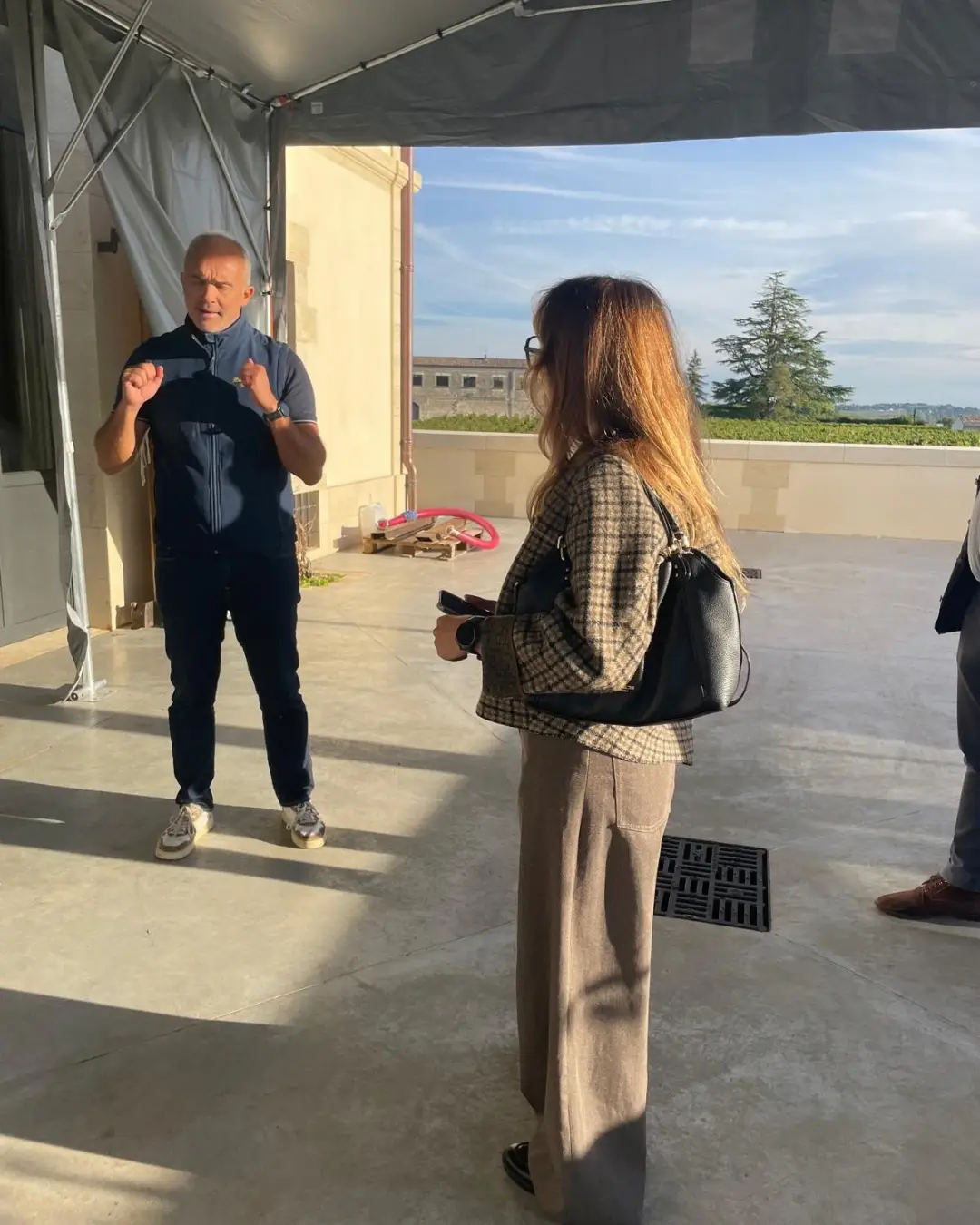
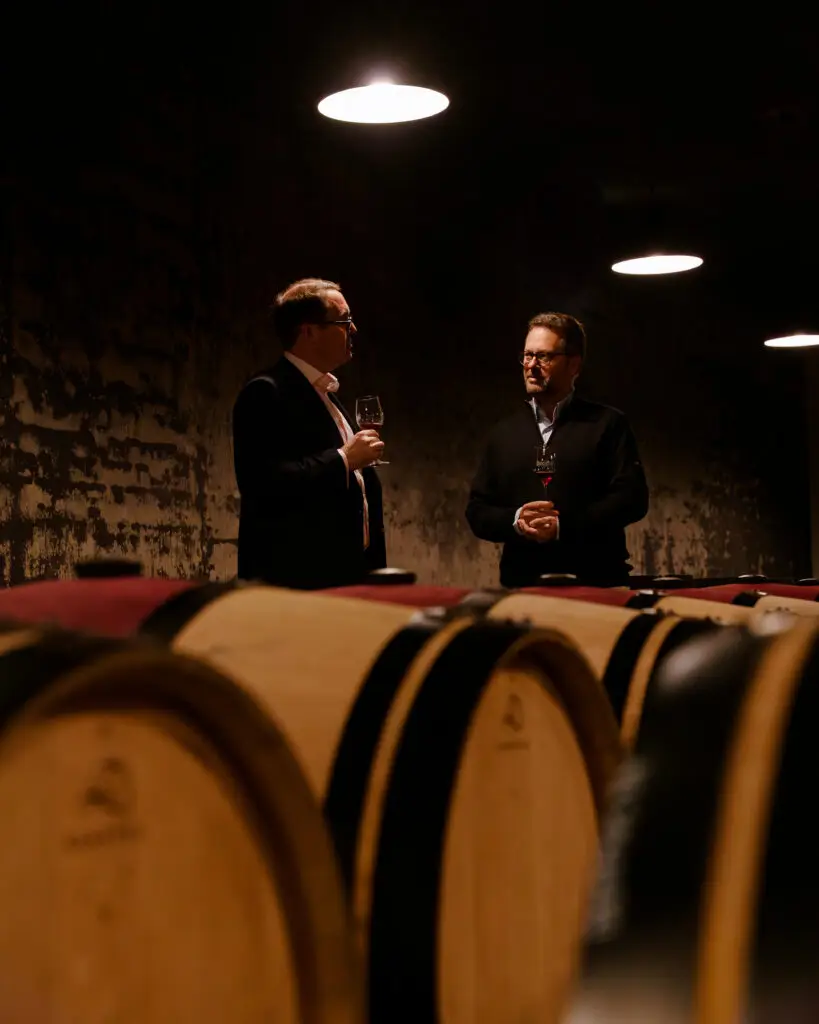
To see what that means in the vineyards and the cellars, we called on two neighbours who could hardly be more different: Julien Barthe at Beau-Séjour Bécot, up on the limestone plateau, and Frédéric Faye at Figeac, on his gravel rises. Two terroirs, two sets of grapes, and one shared conviction: 2026 can be a very fine vintage, provided it was read plot by plot.
A year of records
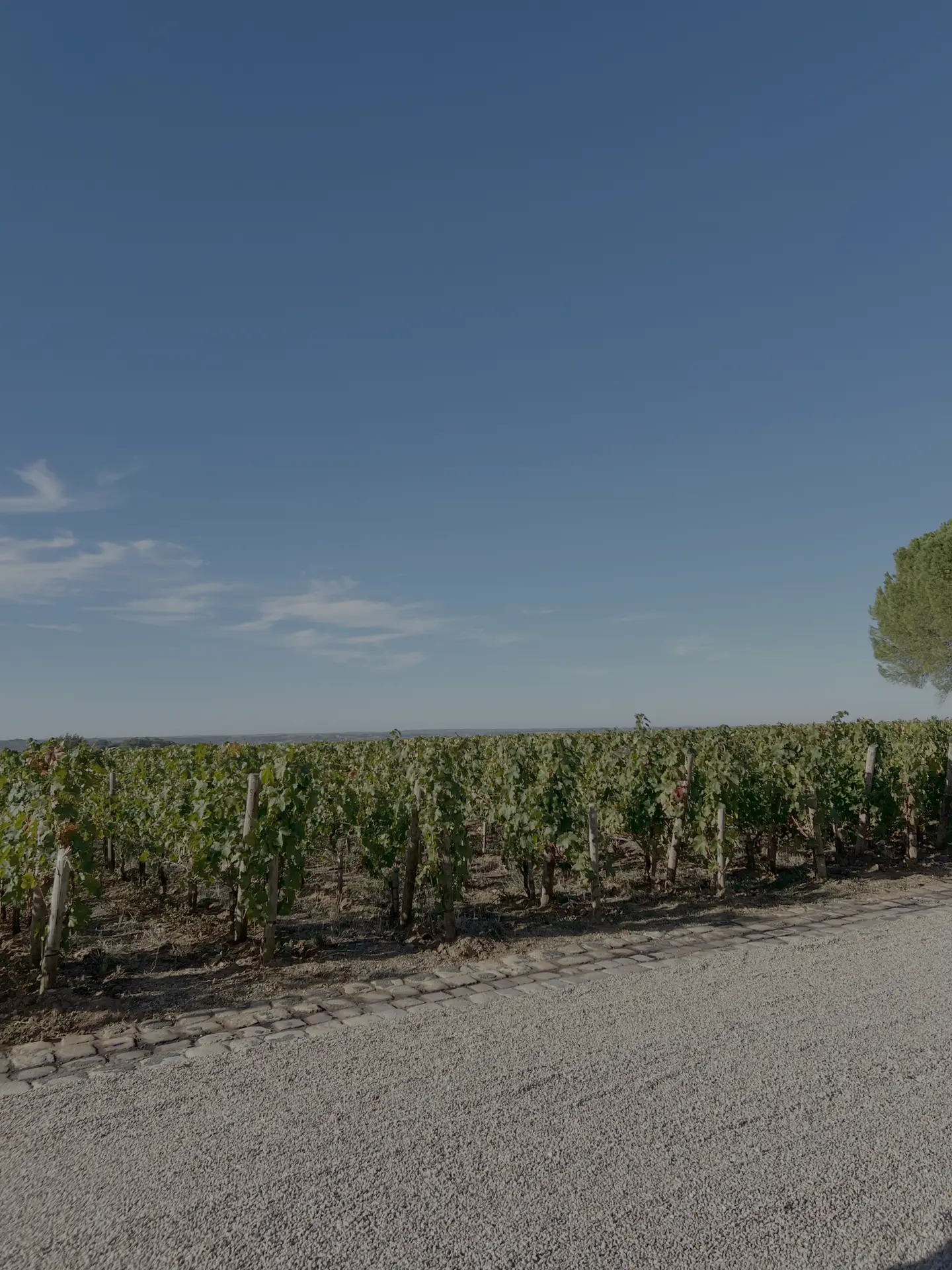
The calendar sets the tone. First flowers by 4 May, first coloured berries on 29 June, Merlot in the vats from the week of 24 August. Between mid-June and the end of July, average temperatures ran 5.4°C above those of the years since 2000.
Two things, though, came to the Right Bank’s rescue.
- The first was a very wet winter, which refilled the soils. At Beau-Séjour Bécot, the quarries were so sodden in January that no one could go down into them.
- The second was July’s storms, which tracked a narrow corridor across the Libournais. Frédéric Faye counted two storms of 35mm apiece at Figeac, while Gazin saw just 12. Some of that water came with hail, but on the handful of plots it touched, it more than made up for what was lost.
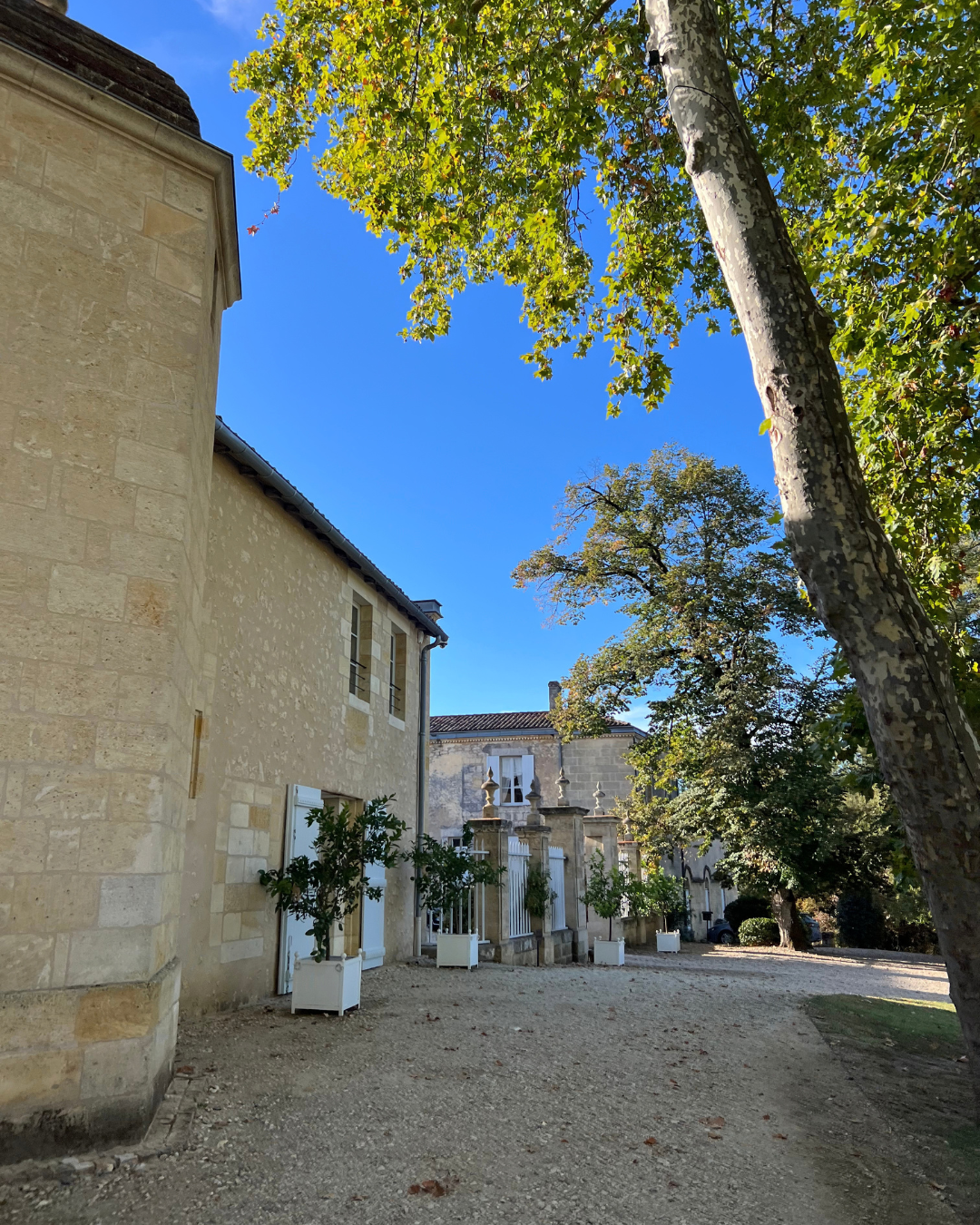
Château Beau-Séjour Bécot
An obsession with cold
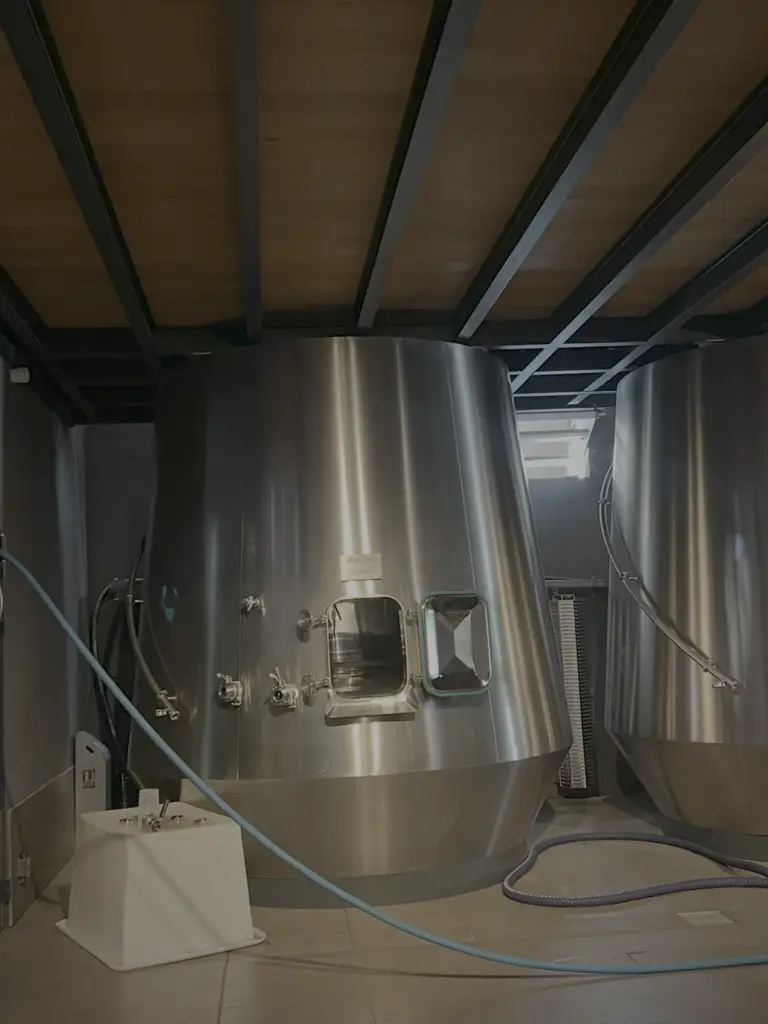
On the limestone plateau, the highest point of the appellation, Julien Barthe describes a stress that was more about heat than drought: the limestone had held on to the winter’s water. The priority, then, was to bring in cool fruit. From 28 August to 17 September, picking was done almost entirely in the mornings, 7.30am to 1pm: eleven half-days out of twelve days of harvest.
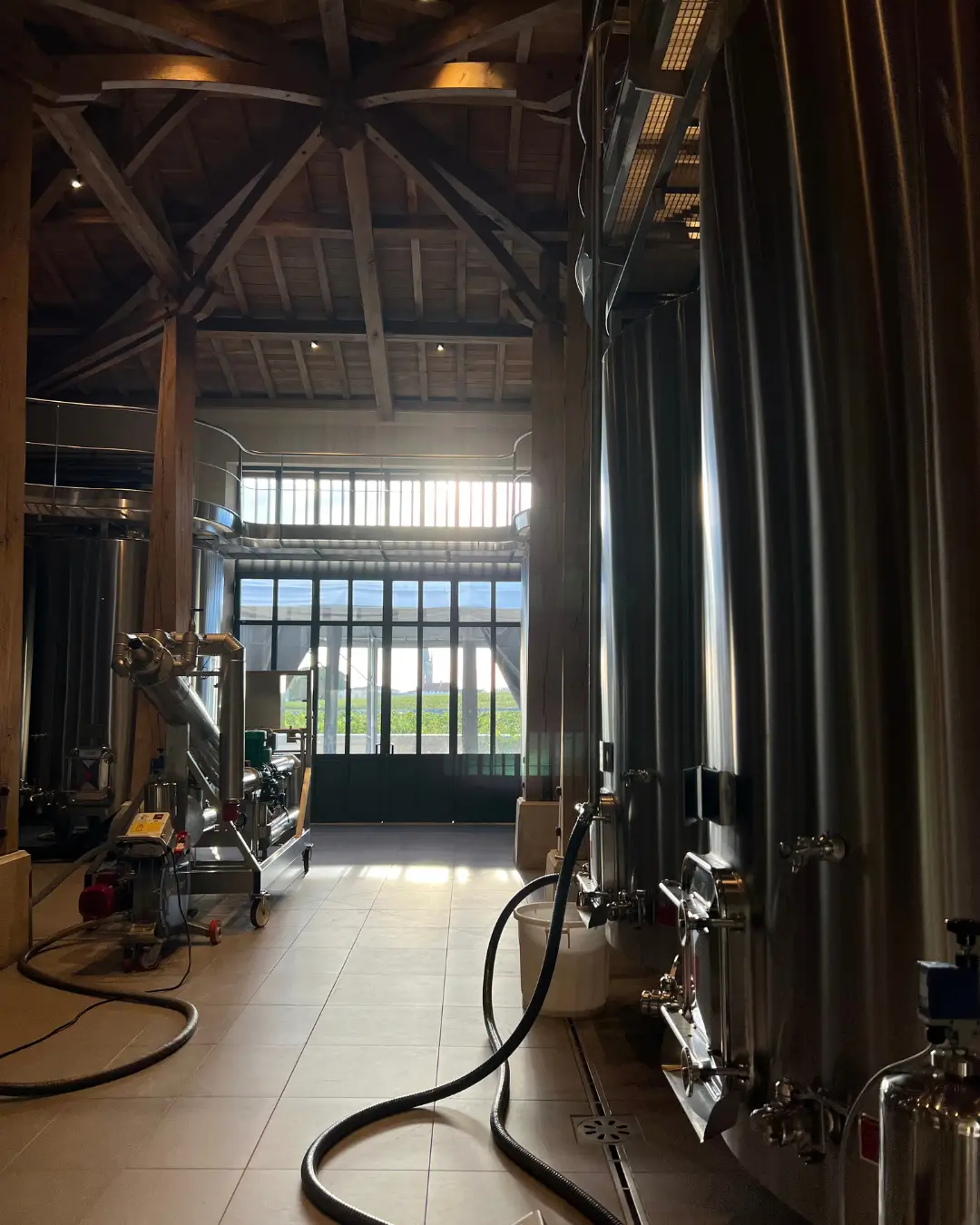
Between the cut and the vat, 15 to 20 minutes. Then some fifteen days of cold pre-fermentation maceration, which gives the fruit first, raspberry and red berries, and then flesh and volume through the mid-palate.
The first numbers reassure: berries of around a gram, and alcohol close to 13.5% that should not go past 14%. The estate illustrates what seems to be emerging: clay-limestone soils may well prove the great winners of 2026.

Château Figeac
Cabernet under fire
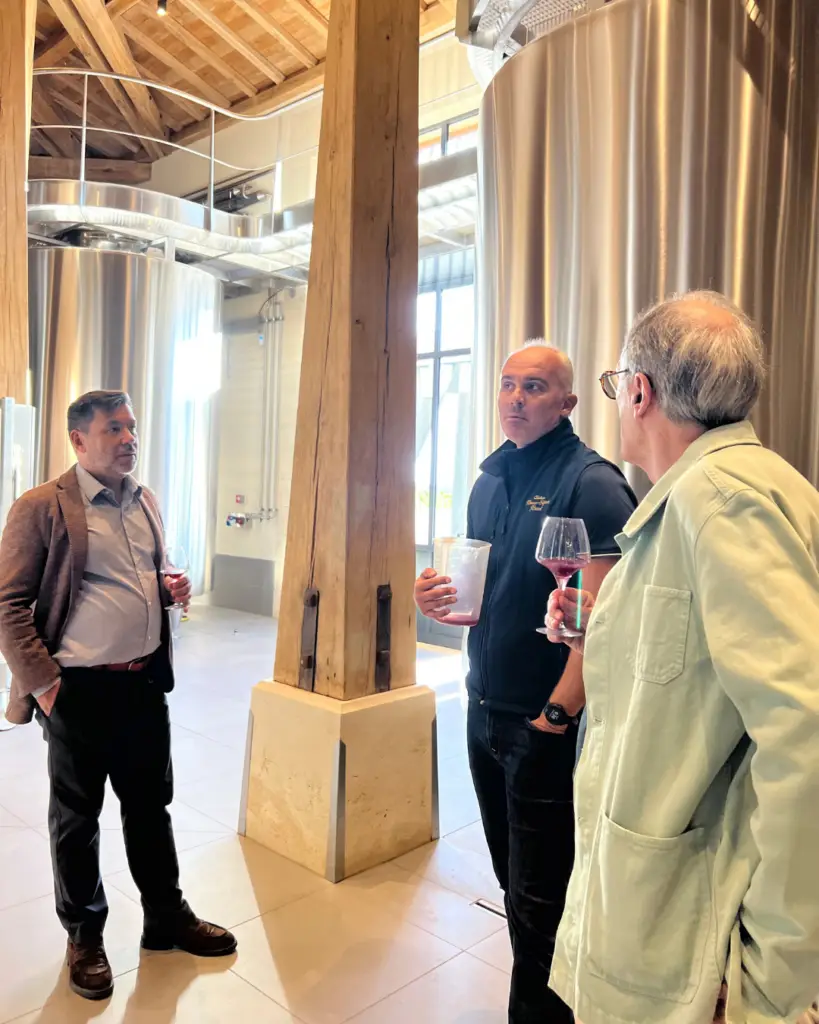
At Figeac, the scene changes: three gravel rises sitting on blue clay, and a vineyard led by Cabernet ever since Thierry Manoncourt’s wager of 1945. Picking began here on 25 August, with the young Merlot.
Frédéric Faye is insistent on one point. Drought arrived as early as March, whereas in 2025 it struck abruptly after a damp spring. Braced from the start, the vine went into “survival mode” and suffered less for it. His response was to do almost nothing: no trimming, no leaf-pulling, no soil work, very little green harvesting. At 43°C, he chose to protect the bunches, and his teams.
The result: very ripe pips, thick skins, Merlot berries of around 1.2g and alcohol of the old-fashioned Bordeaux sort, near 13.5%. Above all, yields are clearly up, from around 25hl/ha in 2025 to 30 or 35hl/ha this year.
Great potential, but not a uniform vintage
These two visits bear out what the first technical reports are sketching: abundant, ripe tannins, low acidity, and wide variation from one soil to the next. On the Right Bank, July’s storms and the reserves held in limestone and clay seem to have made the difference.
These impressions rest on grapes and musts, not yet on wines. The en primeur tastings of spring 2027 will tell whether 2026 keeps its promise. Until then, one thing is clear: those who protected their fruit and chose their moment to pick have every reason to feel confident.
Written by Lucie Richard
Sources: interviews at Beau-Séjour Bécot and Figeac, September 2026; Sovivins summary by David Pernet, 14 September 2026.